Commercial Waste Eltham: Recycling and Sustainability
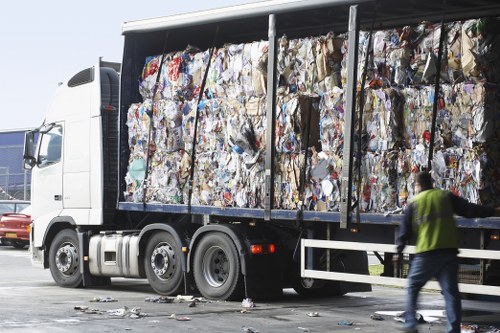
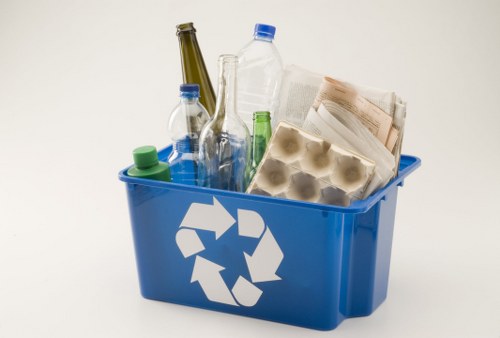
In the heart of Eltham our mission for Commercial Waste Eltham is to create a thriving, *eco-friendly waste disposal area* that supports businesses while protecting local green spaces. This page explains our approach to building a sustainable rubbish area for shops, offices and light industry across the borough. We combine practical collection services with a clear focus on circular economy principles, aiming to reduce landfill use and increase resource recovery. Our ambition is to make commercial waste management in Eltham a model of low-carbon, high-reuse practice.We work with the borough's existing waste separation strategies — including separate container streams for paper, cardboard, glass, food organics and recyclable plastics — aligning our routes and depots with the local council's collection standards. These arrangements reflect the borough approach to waste separation that many businesses already follow: clear blue and green containers for mixed recyclables and dedicated brown or organic bins for food waste. By harmonising with municipal systems we make it straightforward for companies to move from mixed disposal to a sustainable rubbish area model that increases capture of recyclable materials.
Targets and Performance
We have set a measurable recycling percentage target to drive continuous improvement: a minimum of 65% recycling and recovery rate for commercial waste by 2030, rising to 75% by 2035 as technologies and markets develop. To achieve this, we monitor streams at the point of collection, at transfer stations and at treatment facilities, using data to refine collection frequencies and container allocations. Regular audits and contamination checks help us maintain quality recyclate so more material stays in the economy rather than heading to disposal.Local Transfer Stations and Infrastructure
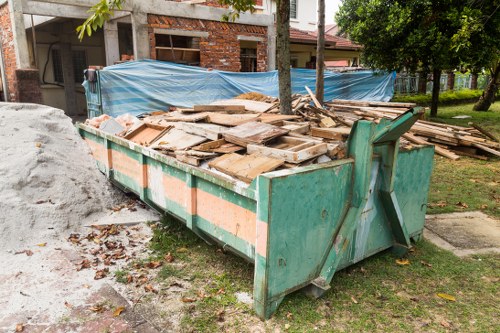
We funnel commercial waste through well-established local transfer stations and civic amenity sites that serve southeast London. Collections are consolidated at nearby transfer facilities before onward transport to recycling plants and material recovery facilities (MRFs). These transfer stations are crucial because they reduce vehicle movements and enable bulk, low-carbon transfers to specialist processors. By using local infrastructure we cut journey miles and speed up the movement of segregated streams — glass, metal, cardboard, food waste and non-hazardous construction debris — to the right end destinations.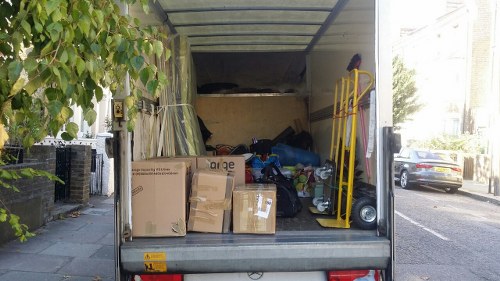 Low-Carbon Fleet: central to our low-impact approach is a modern fleet of low-carbon vans and small rigid trucks, including electric and hybrid vehicles for local rounds. These vehicles reduce emissions, noise and air pollution in Eltham's commercial districts. We plan routes to minimise empty miles, use telematics to monitor fuel efficiency, and invest in driver training for eco-driving. This combination helps shrink the carbon footprint of commercial waste collection while maintaining the reliability businesses require.
Partnerships with specialist processors ensure that difficult-to-recycle items — such as mixed plastics, textiles, and bulky wood — are directed to appropriate reprocessing plants or to repair and remanufacture channels. Where material quality allows, recycled outputs are used in local construction projects or reintroduced into packaging supply chains, supporting the growth of greener local markets.
Charity Partnerships and Reuse
Re-use is at the core of our sustainable rubbish area philosophy. We maintain active partnerships with local charities and social enterprises that collect usable office furniture, textiles and electronic equipment. These collaborations divert good condition items from the waste stream, giving them a second life and supporting community causes. Donations are coordinated through scheduled commercial pickups or drop-off hubs at transfer stations, making it simple for businesses to support local organisations while reducing disposal costs.How we increase reuse and recycling:
- Segregated collections for paper, cardboard, glass and plastics to maintain high-quality recycling streams.
- Dedicated food waste collection for eligible businesses to produce biogas or compost through anaerobic digestion or permitted composting sites.
- Bulky and electrical waste recovery partners who refurbish or responsibly extract materials from items like fridges, printers and shelving.
- Regular audits and targeted education to reduce contamination and improve capture rates.