Complaints Procedure for Commercial Waste Eltham
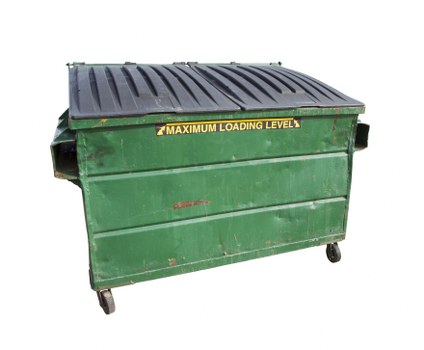 This Complaints Procedure outlines how complaints about commercial waste services are handled by our business. It applies to all matters involving collection, disposal and ongoing management of commercial waste Eltham accounts, including missed collections, damage, billing concerns and service standards. The purpose is to ensure fairness, transparency and a timely resolution for businesses affected by our rubbish collection services.
We operate a staged process so that every concern receives an appropriate response. Our approach is built on accessibility, clear communication and learning: we record complaints, investigate them thoroughly and apply corrective or preventative measures where needed. This policy relates to commercial refuse and business waste collection in the service area and is designed to comply with general regulatory expectations for waste carriers and collectors.
Scope and Definitions
This procedure covers all types of commercial waste enquiries, including mixed commercial refuse, recycling containers, hazardous waste handling concerns and contractor conduct. It applies to both scheduled rubbish collection Eltham services and one-off waste removal work. For clarity, a complaint is any expression of dissatisfaction requiring more than immediate on-the-spot correction.How to Raise a Complaint
To make a complaint, provide the following details where possible: account or service reference, date and time of incident, location, description of the problem and any supporting evidence such as photographs or docket numbers. While this page does not include contact details, we expect complainants to identify themselves so we can investigate thoroughly. Anonymous reports will be considered but may limit our ability to resolve the matter.The initial review is handled by the customer relations team and logged formally. Complaints are acknowledged within our stated timeframe and assigned a reference number for tracking. If the matter involves safety or environmental risk, it will be escalated immediately to the operations manager for urgent action.
Where appropriate, complainants will be offered an explanation, an apology, corrective action and, if justified, compensation consistent with our commercial waste services terms. We aim to resolve straightforward issues quickly and keep complainants informed of progress.
Investigation and Response Times
Upon receipt, complaints are screened and allocated depending on complexity. Stage 1 aims to resolve routine matters within five business days. More complex incidents enter Stage 2, where a detailed investigation may take up to twenty working days. If further time is required, complainants will be updated with reasons for delay and a revised target date.Investigations typically include: a review of service logs, vehicle tracking data, crew reports and any photographic evidence supplied. Where contractor performance is implicated, we liaise with the subcontractor to ensure corrective action and to update operational procedures if systemic issues are identified.
Decisions are communicated in writing and will explain the findings, any remedial steps taken, and options available to the complainant. We use plain language to ensure transparency and accessibility for all business customers of our commercial waste operations.
Escalation and Formal Review
If a complainant is dissatisfied with the outcome, the complaint can be escalated internally for an independent review. This stage involves a senior manager who was not part of the original investigation. The reviewer will reassess the evidence and may recommend further action. Our internal review aims to be concluded within a further 20 working days of escalation.Key principles applied during escalation include impartiality, proportionality and the protection of confidential information. Personal data obtained during the process is treated in accordance with data protection requirements and retained only as necessary to support the complaint handling and any regulatory reporting.
 Documentation and Record Keeping
We maintain a central register of complaints to monitor trends and identify areas for improvement. Records include the complaint description, steps taken, outcomes and any lessons learned. This register supports training, operational changes and performance reviews for our commercial refuse and business waste collection teams.
Documentation and Record Keeping
We maintain a central register of complaints to monitor trends and identify areas for improvement. Records include the complaint description, steps taken, outcomes and any lessons learned. This register supports training, operational changes and performance reviews for our commercial refuse and business waste collection teams.
Outcomes, Remedies and Learning
Possible outcomes include, but are not limited to: formal apology, operational changes to collection schedules, crew retraining, replacement of damaged property and proportionate financial remedies where applicable. We aim to translate individual complaints into system improvements to reduce recurrence of similar problems across our rubbish removal services.We review complaint trends quarterly and adjust procedures, contracts and monitoring systems in response. Our commitment to continuous improvement ensures that each complaint contributes to raising standards for commercial waste services in the area.
Monitoring and Publication Performance against complaint-handling standards is monitored internally and forms part of our regular governance reporting. While specific contact information is not provided here, we publish summary complaint performance metrics and corrective action outcomes to demonstrate accountability and drive better service delivery.
By following this procedure, we ensure that complaints about commercial waste Eltham services are handled consistently, fairly and with a focus on resolution and improvement. The process prioritises health, safety and environmental considerations while safeguarding the rights of businesses and our operational teams.
- Principles: Fairness, transparency, timeliness
- Stages: Acknowledgement, investigation, decision, escalation
- Records: Logged, monitored and used for improvement
Note: This complaints procedure is a general policy document for commercial waste services and is not a substitute for contractual terms. It is intended to provide a clear, consistent framework for resolving service-related complaints and improving rubbish collection standards.
